
How Korean Businesses Are Using Card Payments for Rent, Fees, and Payroll
Managing monthly cash flow is one of the most persistent challenges for small business owners and renters alike. In South Korea, a growing number of people are turning to card-based payment services to handle expenses that were once strictly cash or bank-transfer only. From monthly rent and building maintenance fees to staff wages and service costs, these solutions are reshaping how money moves in everyday life. This article breaks down how each of these payment categories works and why more people are choosing this approach.
Why Traditional Payment Methods Fall Short
For years, rent, building management fees, and payroll were handled almost exclusively through bank transfers. While reliable, this method ties up liquid cash immediately and leaves little room for flexibility when unexpected costs arise. Credit cards, on the other hand, offer a grace period between spending and actual settlement, which can make a significant difference for households and businesses operating on tight monthly budgets.
The shift toward card-based payments for these fixed obligations is not just about convenience. It also opens the door to card rewards, points accumulation, and installment options that simply do not exist with direct bank transfers. Once people realize these benefits apply to large recurring expenses, the appeal becomes obvious.
Monthly Rent Payments by Card
Paying monthly rent by credit or debit card is a service that allows tenants to settle their lease obligations without making a direct bank transfer to the landlord. A payment intermediary collects the card payment from the tenant and forwards the equivalent amount to the property owner, typically within a set number of business days.
This arrangement benefits tenants who want to delay the actual cash outflow by a few weeks, earn card rewards on a large recurring expense, or simply consolidate their monthly payments into one card statement. Landlords receive their money on schedule, so the relationship remains smooth even though the payment method has changed behind the scenes.
Building Management Fee Payments by Card
Residents of apartments and officetels receive a monthly maintenance bill covering costs like cleaning, security, elevator upkeep, and shared utility expenses. Traditionally paid by bank transfer or automatic debit, these fees can now be settled by credit or debit card through a dedicated payment service.
The process mirrors the rent payment model. A service provider acts as the bridge between the cardholder and the building management office, ensuring the fee is received on time while the cardholder benefits from their card’s payment cycle. For people who already pay rent by card, adding management fees to the same system creates a tidy, consolidated approach to housing costs.
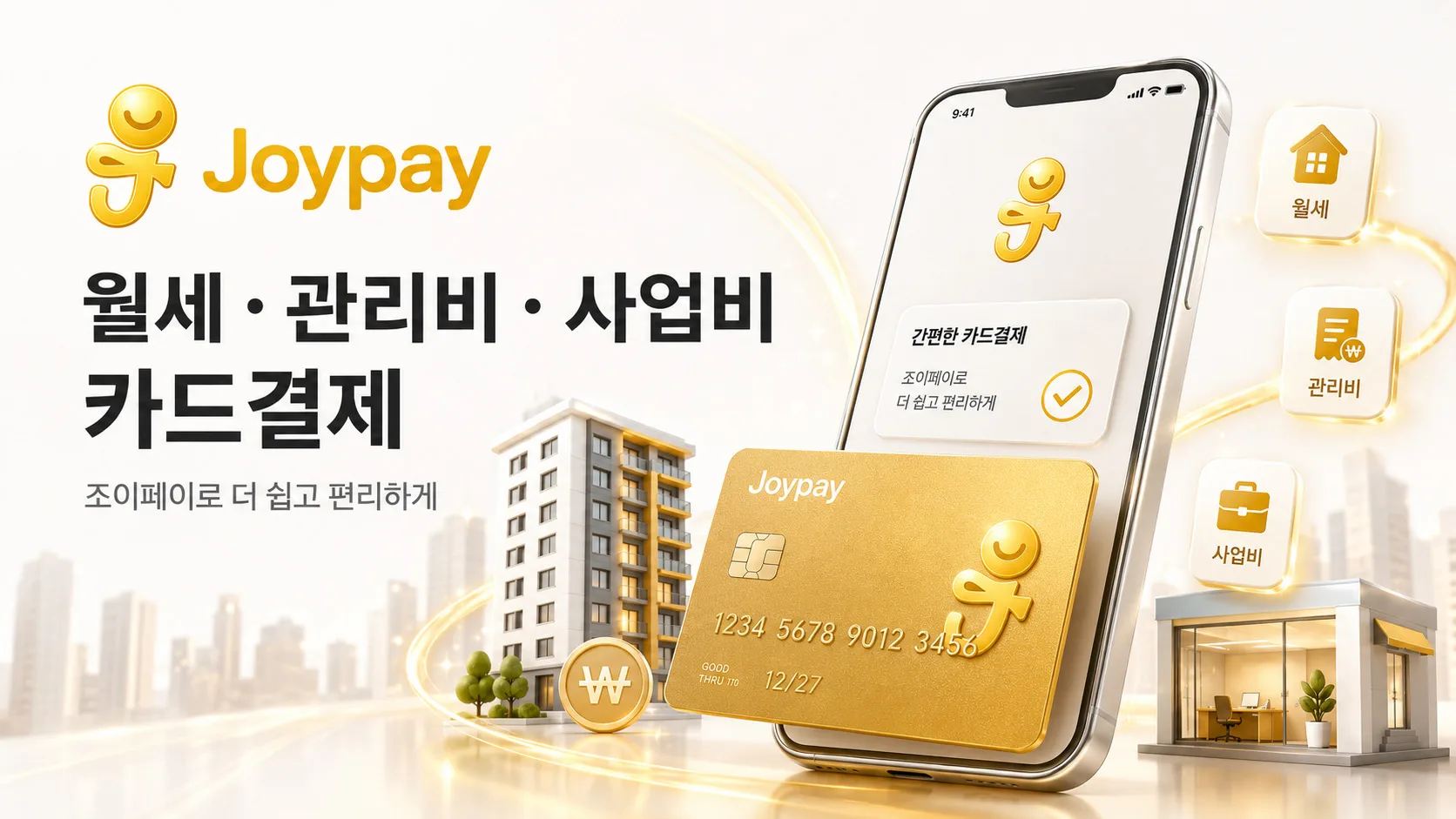
Payroll and Service Cost Payments by Card
Business operators face a different kind of pressure. Paying employees, part-time staff, and external contractors on time is non-negotiable, but cash reserves do not always align perfectly with payroll dates. This is where 인건비카드결제 becomes especially valuable. By routing wage and service payments through a card-based intermediary, business owners can push the actual cash settlement date forward, giving themselves breathing room during periods of tight liquidity.
This type of service is particularly useful for small businesses, sole proprietors, and startups that experience seasonal revenue fluctuations. Rather than scrambling for short-term financing, they can use existing credit lines to cover payroll on schedule and repay the card balance when revenue arrives.
Comparing the Three Payment Types
| Payment Type | Who Benefits | Key Advantage |
|---|---|---|
| Monthly Rent | Tenants and renters | Delayed cash outflow, card rewards |
| Management Fees | Apartment and officetel residents | Consolidated billing, card points |
| Payroll and Service Costs | Business owners and operators | Cash flow flexibility, on-time payment |
Practical Considerations Before Getting Started
Before signing up for any of these services, it is worth reviewing a few practical points to make sure the arrangement suits your situation.
- Check whether the service charges a processing fee and factor that into your overall cost calculation.
- Confirm that your credit card’s available limit is sufficient to cover the recurring payment each month without straining other spending.
- Verify the settlement timeline so you know exactly when the recipient will receive funds and can plan accordingly.
- Review whether the payments qualify for your card’s rewards program, as some card issuers exclude certain categories.
Getting the Most from Card-Based Payment Services
The smartest users of these services treat them as a cash flow management tool rather than a way to spend beyond their means. If you consistently pay your card balance in full each month, the grace period becomes a free short-term float that costs nothing extra. Combined with points or cashback on large recurring expenses, the financial benefit can be meaningful over the course of a year.
Whether you are a tenant looking for more flexibility on rent day, a resident wanting a simpler way to handle monthly building fees, or a business owner trying to keep payroll running smoothly, card-based payment services offer a practical and increasingly accessible solution. Taking the time to understand the process and choose a reputable provider makes all the difference in getting a genuinely useful experience.